Transcranial magnetic stimulation (TMS) has become an increasingly popular treatment for individuals struggling with major depressive disorder (MDD) who have not experienced relief from traditional therapies. If you are considering tms near me, you may be wondering whether its effects are permanent and how long the benefits last after treatment ends.
How TMS Works
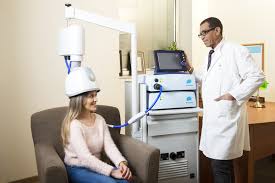
TMS is a non-invasive procedure that uses magnetic pulses to stimulate specific areas of the brain associated with mood regulation. Unlike antidepressants, which affect the entire body, TMS targets neural circuits directly, often focusing on the prefrontal cortex. Sessions are usually conducted daily over several weeks, with each treatment lasting around 20 to 40 minutes. Patients remain awake during the procedure and can immediately resume normal activities afterward.
Duration of Effects
The permanence of TMS results varies from person to person. Many patients report noticeable improvements in mood, motivation, and daily functioning within the first few weeks of treatment. However, these effects may gradually diminish over time if booster or maintenance sessions are not performed. While tms near me does not permanently rewire the brain, it can induce long-lasting changes in neural activity that often provide months of relief from depressive symptoms.
Maintenance and Long-Term Success
To sustain benefits, some patients participate in periodic maintenance sessions, which help reinforce the positive changes achieved during the initial treatment course. Research indicates that individuals who follow maintenance schedules tend to have longer-lasting improvements. Clinics listed on tmstherapynearme.com can provide guidance on whether maintenance therapy is recommended based on your individual response and medical history.
Advantages Compared to Traditional Treatments
TMS offers several advantages over conventional medication. Side effects are generally mild, including temporary scalp discomfort or mild headaches, and it avoids systemic effects such as fatigue or gastrointestinal issues often associated with antidepressants. Additionally, TMS provides an alternative for those who have not found relief from medications, offering hope for improved quality of life without daily drug dependency.
Factors Affecting Permanence
The durability of TMS outcomes depends on several factors, including the severity and duration of depression, adherence to treatment schedules, and the integration of complementary therapies such as cognitive behavioral therapy. Long-term lifestyle adjustments, like regular exercise and stress management, can also enhance the longevity of symptom relief. For a deeper understanding of the neural mechanisms behind TMS, consider exploring the prefrontal cortex, which plays a crucial role in regulating mood and is a primary target of this therapy.
In conclusion, tms near me is not considered a permanent cure for depression, but it can offer substantial, lasting improvements for many patients. With the support of maintenance sessions and complementary interventions, individuals can enjoy extended relief and better overall functioning. Consulting with a qualified TMS provider ensures that treatment plans are personalized to maximize both effectiveness and duration of results.